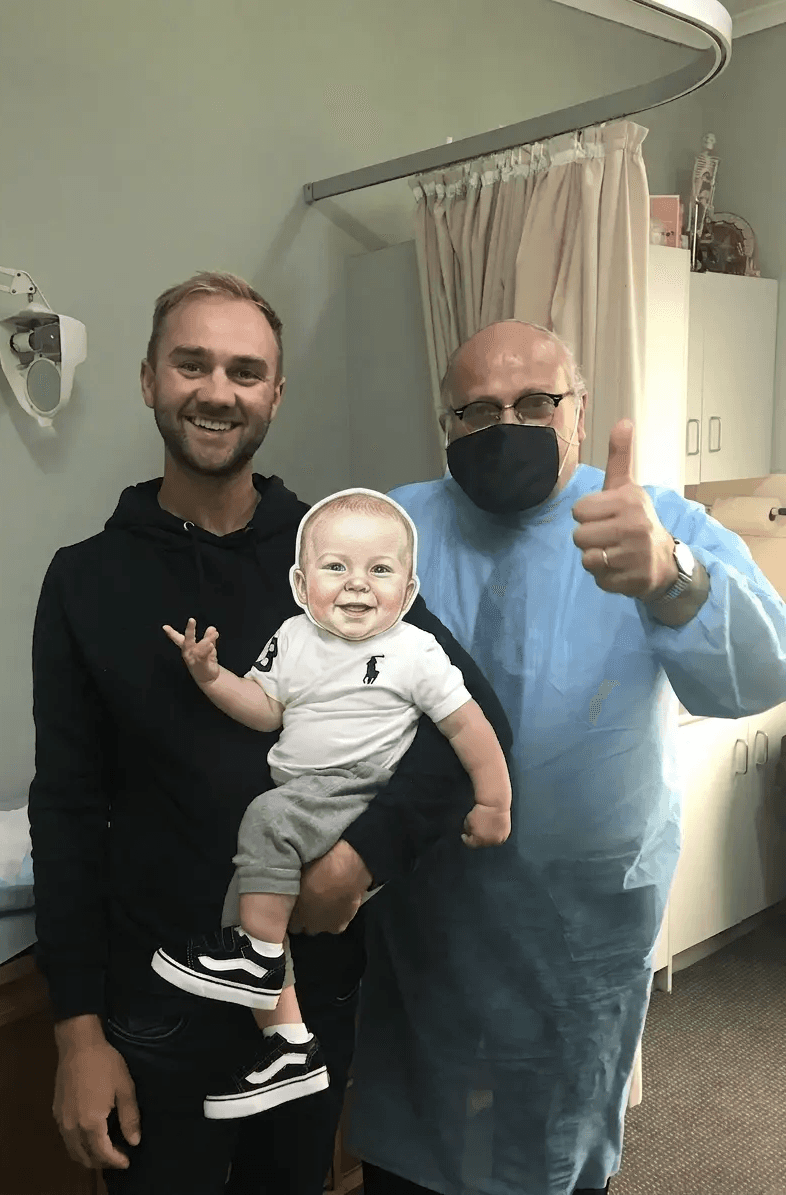
Deciding to undergo a circumcision, or choosing the procedure for your son, is an deeply personal decision that warrants careful consideration and open communication. The most effective way to eliminate medical anxiety and gain complete confidence is to have a comprehensive, informed conversation with your healthcare provider during your initial consultation.
A specialised practitioner should welcome your questions transparently. To help you prepare for your consultation at our clinic, we have compiled the seven essential questions you should ask your doctor, along with insights into how our practice addresses each one.
1. What is the Experience and Track Record of the Practitioner?
1. What is the Experience and Track Record of the Practitioner?
The skill and specific focus of your operator directly impact both the safety of the surgery and the long-term cosmetic outcome. You should never hesitate to ask about their credentials.
Key things to ask: How many years have they been performing circumcisions? Do they track success rates, and do they openly discuss their adverse result records?
The Clinic Reality: Dr Ashraf Saddik brings more than 40 years of medical experience, holding advanced postgraduate surgical training and specialised diplomas in anaesthesiology. Our practice prides itself on absolute clinical transparency. We encourage families to review the extensive, real-world Google reviews from local patients that highlight our exceptional patient care. You can explore our operational background by reading about the Expertise That Sets Us Apart or checking our Meet Dr Saddik overview.
2. What Are the Potential Medical Benefits and Structural Risks?
2. What Are the Potential Medical Benefits and Structural Risks?
Every surgical procedure involves balancing health advantages against potential complications. Your doctor should break these down clearly based on individual medical histories.
Key things to ask: What specific health benefits apply to my or my son's age group? What are the rare but possible surgical risks, such as localised infection or bleeding?
The Clinic Reality: Clinical evidence demonstrates that circumcision offers major preventative advantages, including a reduced incidence of urinary tract infections, chronic inflammation, and specific long-term health risks.
3. What Does the Procedure Entail and What Pain Management is Used?
3. What Does the Procedure Entail and What Pain Management is Used?
Understanding the mechanical steps and comfort protocols of the day changes an intimidating medical mystery into a manageable, predictable appointment.
Key things to ask: What surgical method will be utilised? How long does the procedure take, and what specific anaesthetic or sedation protocols are used to guarantee a pain-free experience?
The Clinic Reality: Dr Saddik implements highly refined surgical methods, including advanced, symmetrical options. The entire process is designed to be remarkably efficient. Physical pain is safely eliminated using targeted nerve blocks and conscious sedation tailored strictly to the patient's developmental age. For a complete look at the operating timeline and comfort frameworks, check out What are the standard methods to perform circumcision?, review the Understanding Duration of a Circumcision Procedure breakdown, or look over our complete pain management protocol.
4. What is the Recovery Timeline and How Are Emergencies Handled?
4. What is the Recovery Timeline and How Are Emergencies Handled?
Preparation naturally extends to your plan for returning home. You need to know exactly what is expected during the healing phases and how to access professional guidance after hours.
Key things to ask: What does normal healing look like on day three versus week two? What is the daily wound maintenance routine, and does the clinic provide a direct line for after-hours questions?
The Clinic Reality: Initial surface healing occurs within the first week, while full tissue maturation takes roughly a month. We provide every family with clear, written care guidelines and Dr Saddik's direct mobile phone number, giving you a 24-hour on-call service for total peace of mind. For a preview of home recovery protocols, review our [aftercare and recovery guide](Website: aftercare and recovery guide) and read our practical guide on How to Care for the Wound After Circumcision.
5. Are There Non-Surgical Alternatives to Consider?
5. Are There Non-Surgical Alternatives to Consider?
Key things to ask: Can my condition, such as chronic tightness or localised inflammation, be managed successfully with steroid creams or alternative stretching exercises?
The Clinic Reality: For structural conditions like phimosis or recurrent balanitis, conservative options can sometimes provide temporary relief. However, when physical constraints persist, minor modifications or full procedures are often the most definitive solution. We provide thorough assessments of all conservative routes and minor surgical alternatives - such as localised frenulum adjustments—to help you find the right fit. Read our guide on Exploring Alternatives to Circumcision.
6. How Does Age and Development Impact the Surgery?
6. How Does Age and Development Impact the Surgery?
Key things to ask: Is there an optimal age for this procedure? How do healing rates, sedation safety, and anatomical considerations change between infancy, adolescence, and adulthood?
The Clinic Reality: While tissue elasticity and healing capabilities are at their peak during early infancy, the procedure can be performed safely and beautifully at any age. Our protocols change to match these developmental milestones perfectly, altering our techniques to safeguard both physical comfort and emotional dignity. Discover more by reading What is the Optimal Age for Circumcision?, or visit our specialised clinical pathways for child circumcision and adult circumcision.
7. What Are the Out-of-Pocket Costs and Medicare Subsidies?
7. What Are the Out-of-Pocket Costs and Medicare Subsidies?
Clear financial planning removes unexpected stress, allowing you to focus entirely on proper healing and post-operative comfort.
Key things to ask: What is the total inclusive cost of the consultation and surgery? Am I eligible for a Medicare Australia rebate, and what out-of-pocket expenses should I anticipate?
The Clinic Reality: Our practice operates under a strict policy of transparent pricing with absolutely no hidden fees. In Australia, Medicare rebates are generally accessible when a circumcision or revision is performed to treat a documented, clinically relevant medical condition (such as chronic phimosis, recurrent balanitis, or structural tissue tears). To evaluate your financial pathways, check our main pricing overview or see our comprehensive article on How Much Does a Circumcision Procedure Cost?.